Field notes: the cold call that opened with a parking lot, not a pitch
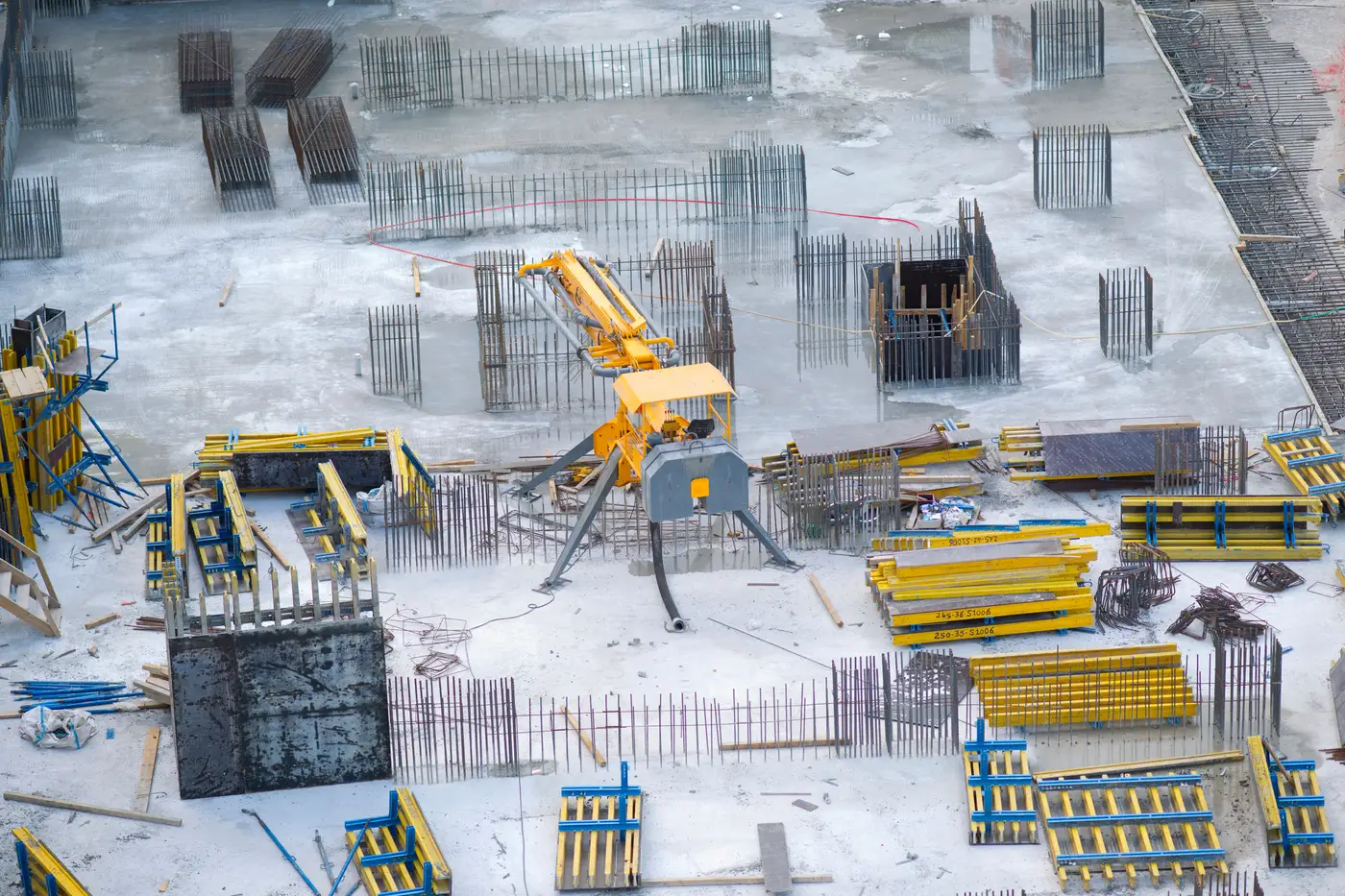
A rep I know called into a tier-two auto supplier last month and didn't introduce herself, didn't mention her company, didn't ask how things were going. She said: "I noticed you poured a new concrete pad behind the Shelbyville plant back in August, maybe 30,000 square feet. Looks like staging for a line expansion. Is that right?"
Dead air for two seconds. Then: "Who told you that?"
The opener didn't come from a sharper script or a line pulled from a sales-enablement deck. It came from a fact about the prospect's own dirt that the prospect didn't expect a stranger to have.
Most cold calls into capex-heavy accounts open with some version of "I wanted to reach out because we help companies like yours." The plant manager or ops director on the other end has heard that sentence a thousand times and tunes out before the second clause. It reads as a template because it is one. It could be sent to any account in any vertical with the nouns swapped.
A parking lot doesn't swap from one company to another. A new loading apron on the north side of a specific facility, first visible in a specific month, belongs to exactly one company. Leading with it means reporting back something true about their own operation instead of pitching anything, and that flips the dynamic: the person on the line starts confirming or correcting a fact instead of fielding a pitch, and people almost always engage to correct a fact even when they'd hang up on a sales call.
The other thing that call does: it signals the capex is already committed. Job postings and RFI chatter tell you a company is thinking about expanding. A poured pad, a graded yard, a new building footprint tells you money already left the building. Steel's been ordered or it's about to be. That's a different conversation than "are you considering capacity expansion this year," which is the question every competitor's SDR is also asking off the same earnings-call trigger.
Timing matters as much as the fact itself. Most expansion news that reaches a sales team arrives through a press release, a local paper writeup, or a LinkedIn post from the GC who poured the foundation, and by the time any of those surface, the project has usually been under construction for months. The budget's allocated, the vendor shortlist for racking, HVAC, and material handling is already half-built, and a rep calling off that article is calling in behind three competitors who read the same thing. A rep watching the physical footprint instead of the news cycle gets to that conversation while the account is still forming its vendor list.
None of this requires a drone or a site visit. It requires someone, or something, checking the same named accounts' facilities on a schedule and flagging when the ground changes. That's a different discipline than monitoring press feeds or job boards, which is exactly why it still works as an opener: nobody else on the call sheet is doing it. Capex Signals exists for that one piece of the job, a monthly read on named-account sites that turns a new pad or yard extension into a dated event before it ever makes the local paper.
The rep's call, by the way, turned into a twenty-minute conversation about the Shelbyville expansion's timeline, which turned into an intro to the facilities director two weeks later. No deck. No "quick question for you." Just a plant manager who wanted to know how a stranger knew about his concrete before his own regional VP did.
If your territory carries accounts worth watching that closely, that's the kind of call Capex Signals helps you make first.