Field notes: two plants, four states apart, same quarter
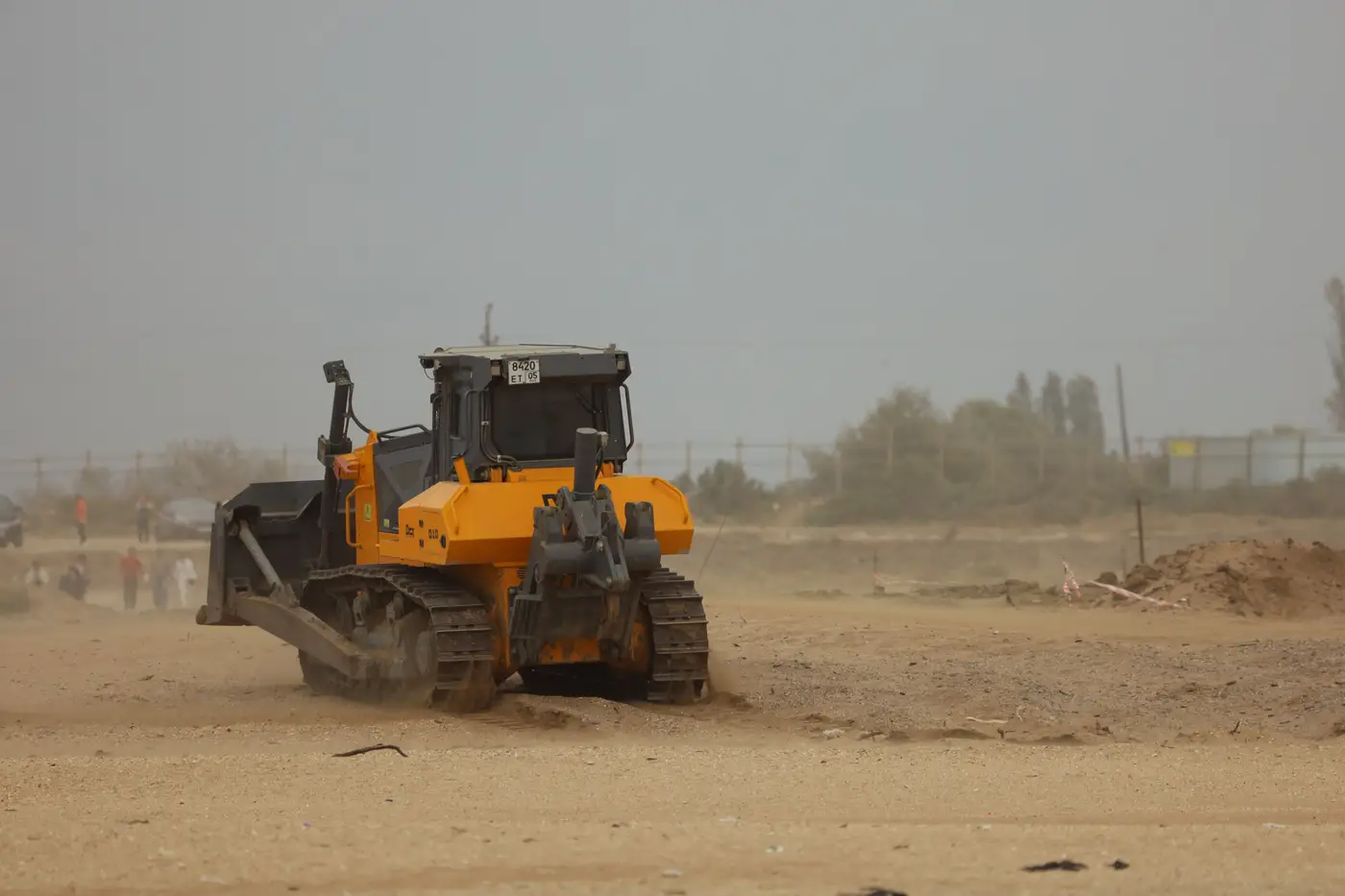
Two pads got poured the same quarter this year, one in the Southeast, one in the upper Midwest. Different owners, different end markets, no obvious connection between the companies on paper. We only noticed because we happened to be running the same monthly pull on both accounts for unrelated reasons, and the site clearing showed up in the same imagery cycle.
That kind of coincidence is easy to shrug off. Plants break ground all the time. But when you watch footprint for a living, a same-quarter start across unrelated accounts is a pattern worth sitting with for a minute, because it's rarely unrelated.
The first site was a Tier 1 automotive supplier expanding a stamping operation. The second was a specialty chemicals producer adding a second line to an existing plant. Nothing in the trade press tied them together, and nothing should, since they don't compete and don't share a customer base that we could find. What they shared was a quarter. Site clearing on both properties showed up within about six weeks of each other, well before either company said a word publicly.
A few things can produce that kind of alignment, and it's worth knowing which one you're looking at before you build a theory on top of it.
Sometimes it's a shared input: a tax credit window, a rate environment that made debt suddenly cheap enough to greenlight a project that had been sitting in a drawer for two years, a subsidy deadline that pulled a dozen boards' decisions into the same twelve months. Sometimes it's a shared constructor. The big industrial EPC firms only have so many crews and so much steel fabrication capacity at once, so when one of them books a slot, the next project on their docket often lands near the same start date, a quirk of the crew calendar rather than any coordinated strategy. And sometimes it's genuinely nothing, two boards that happened to approve budget in the same cycle for reasons specific to each company.
For a sales team, the cause matters less than the effect. The coincidence changes your account plan the moment it's confirmed. If you're carrying either of those companies, or a competitor to either, or a supplier that sells into either one's supply chain, a confirmed groundbreaking is a trigger regardless of why it happened. The chemicals producer adding a line needs more of something upstream. The automotive supplier standing up new stamping capacity is going to need tooling, logistics, maybe a new labor pool nearby. Those needs show up on a timeline you can actually work, which is the point of catching this at the clearing-and-pad stage instead of at the ribbon-cutting.
The part that's easy to miss if you're relying on announcements is the lag. Most groundbreakings don't get a press release until the building is framed, sometimes not until it's running. By then the vendor conversations that matter have usually already happened. The six-week gap between when dirt moves and when anyone outside the company hears about it is exactly the window a rep wants, and it's also exactly the window that gets lost if you're checking a site once a quarter or once a year instead of every month.
We track a short list of named accounts this way because the pads that turn into something worth telling almost always look obvious only in hindsight. Capex Signals runs that same-quarter comparison across your account list automatically, turning a groundbreaking into a dated event at a specific address instead of a rumor you catch three months late.
If your named accounts are the kind that build before they talk, track the moment the concrete goes down. The press release comes later, if it comes at all.