Field notes: watching a named account's yard grow one pass at a time
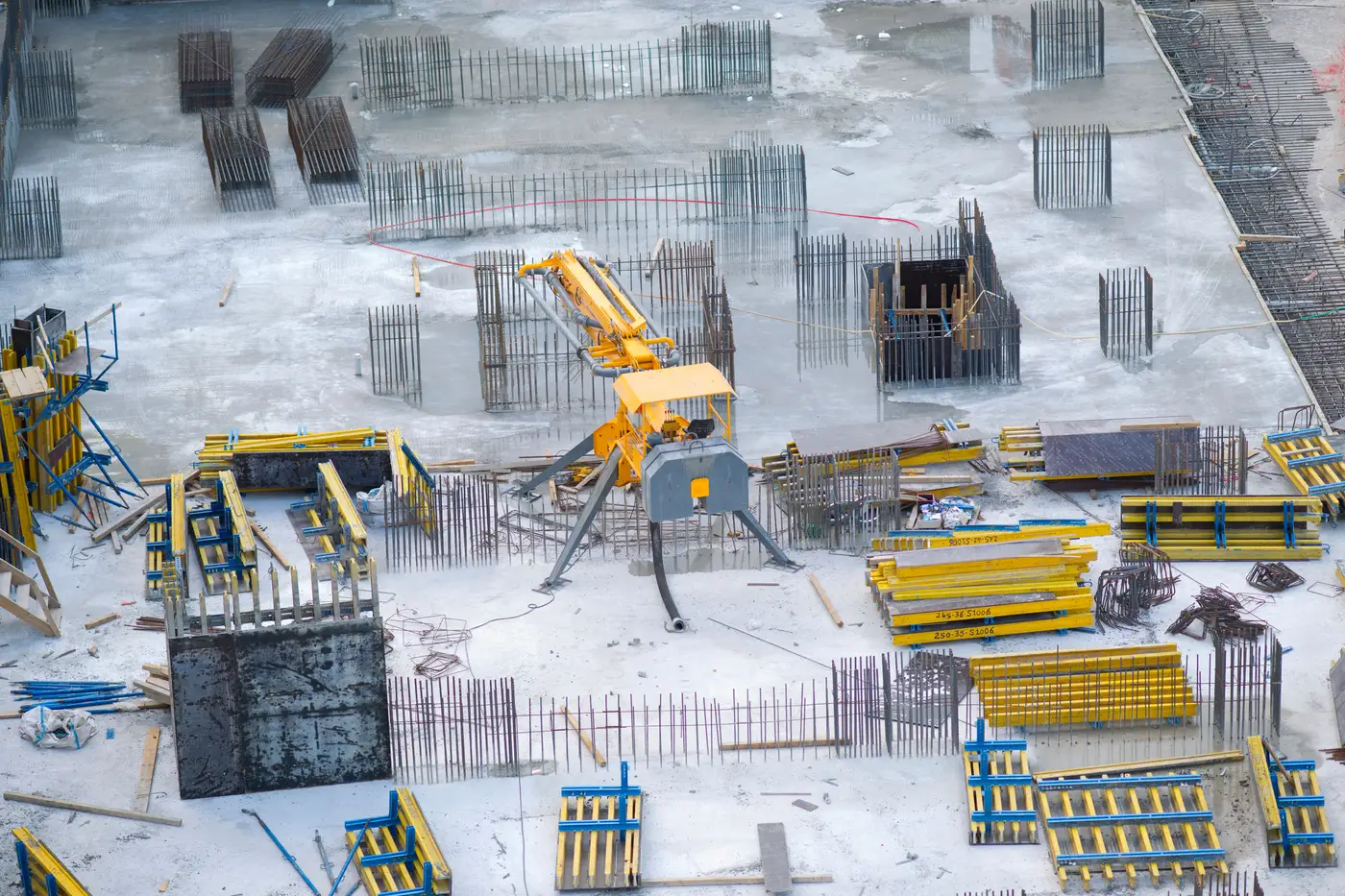
The first pass rarely tells you anything. A gravel pad that wasn't there last quarter could be a new line, a laydown yard for a roof repair, or someone's idea of a parking expansion that got shelved in committee. One image is a data point, nothing more.
The story shows up in the second and third pass, when you line the frames up side by side and the pad has grown a footing, then a slab, then steel. That's the pattern an SDR working named accounts learns to read: the delta between snapshots, not any single one of them. A yard that's the same size in March and April told you something too, just not the thing you were hoping for.
Take a contract manufacturer carrying a mid-size footprint in a Piedmont industrial park, the kind of account that lands on a target list because headcount grew 8% last year and the 10-K mentioned "continued investment in manufacturing capacity" without naming a site. You start watching the site in January, and January and February come back identical. Then March brings a rectangle of cleared earth at the back of the lot, maybe 40 by 90 meters, right where the existing warehouse ends.
By April there's a foundation outline. By June there's a tilt-up wall going up along one edge.
None of that triggered a press release. It won't for another two or three quarters, if it ever does at all, probably as a line in an earnings call about "capacity expansion" with no address attached. By the time that line gets said out loud, the slab has been poured for half a year and whatever RFP or hiring wave comes with the new line is already moving through someone else's pipeline.
What's useful here isn't the fact of growth. Growth gets announced eventually, badly and late. What's useful is the date stamp: first seen March, confirmed foundation April, visible structure by June. That's a sequence you can put next to a sales cadence. A rep reaching out in February with "heard you're expanding" is guessing. A rep reaching out in April with "saw the new building going up on the east side of your Greensboro site, is that the new line for the X program" is working from something the account's own sales and ops people often don't know about yet outside the facilities team.
The part that trips people up is patience. A new foundation means capital got approved, which means budget exists, which means someone inside that account is actively deciding what goes in that building. It doesn't guarantee a signed contract next month, but it marks the opening of a decision window, and that window between slab and ribbon-cutting is the entire opportunity. Miss it and you're back to competing on a press release everyone else already read.
It also means treating a flat pass as information, not a non-event. Three months of no change on a watched account tells you the capex cycle hasn't turned yet, or it's happening somewhere else in the portfolio, which is its own kind of signal worth filing away.
None of this works as a one-time look. It works as a habit: same sites, same cadence, every month, long enough that a cleared lot in one frame and a tilt-up wall three frames later reads as a sentence instead of two unrelated pictures. Capex Signals runs that habit against a named account list so the pattern-reading happens before the quarter closes, not after the trade press catches up.
If you've got a target list and a hunch about where the next building is going, that's the gap worth watching.