How to build a battlecard from a rival's facility footprint
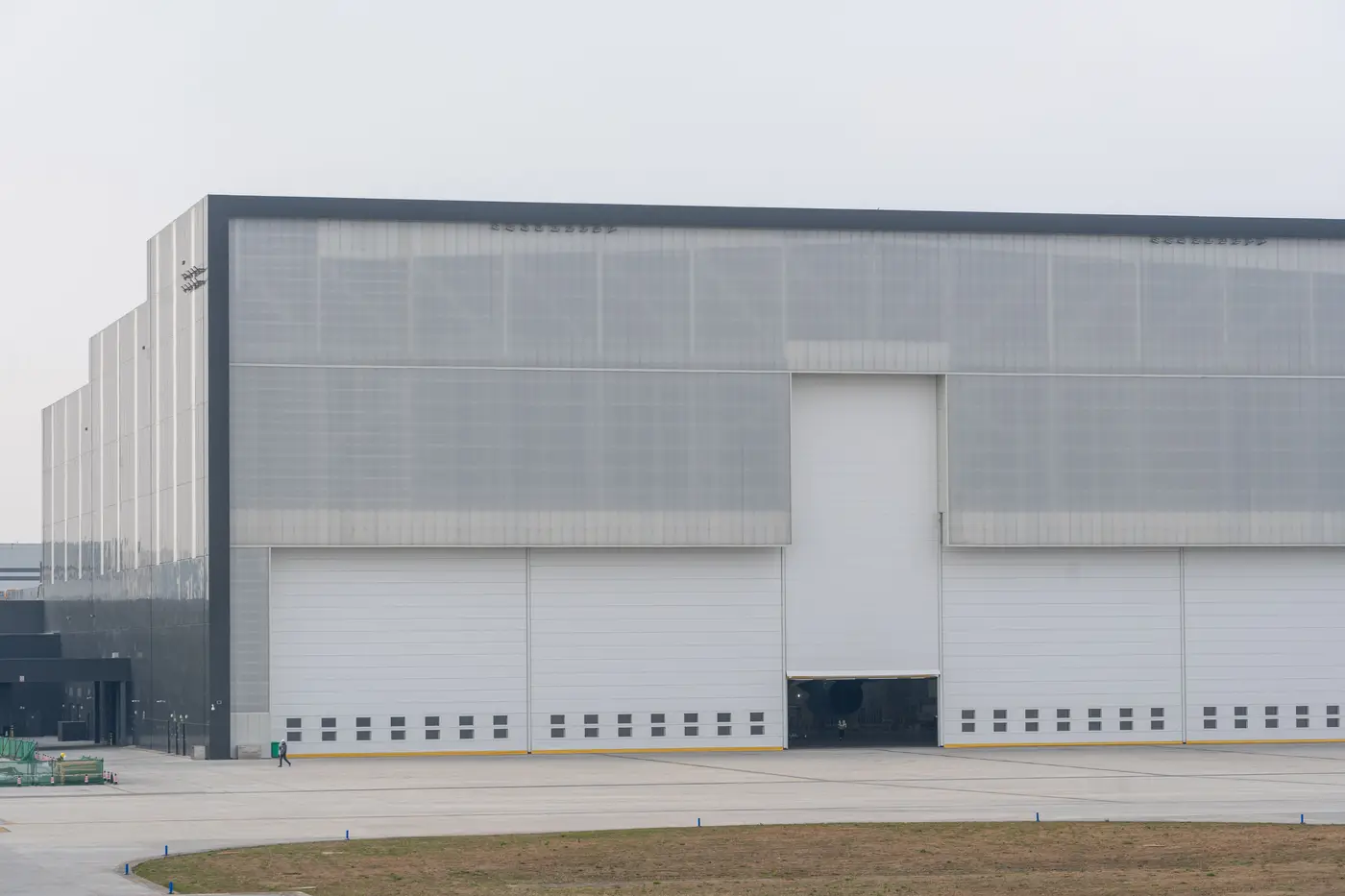
Most battlecards get built from what a rival says about itself: pricing pages, press releases, a few G2 reviews, maybe a LinkedIn post from their VP of Ops about "scaling operations." That's fine for messaging comparisons. It tells you nothing about what the account is spending money on right now, and spend is the thing that predicts budget, headcount, and buying windows better than any quote on their homepage.
If you sell into an industrial, logistics, manufacturing, or anything-with-a-plant market, the rival's facility footprint is a signal they can't spin, because they usually don't know you're watching it.
What a footprint tells you that a press release doesn't
A press release tells you a decision that's already been made, announced on their timeline, worded to sound bigger than it is. A footprint change tells you the decision is happening right now, before legal and comms get a say in how it's framed.
Concretely: a new pad poured at a distribution site means a lease or a build is already committed, months before the ribbon-cutting post. A yard that doubles in size at a named account means they're stockpiling or adding throughput. A new wing framed onto an existing plant is a capex line that someone in finance already approved. None of that shows up in a quarterly earnings call footnote until it's old news to anyone watching the ground.
For a battlecard, the useful unit isn't "Rival X is growing." It's a dated event tied to a specific site: this location, first seen on this date, roughly this size. That's something an AE can open a call with.
Fields that belong on the card
A footprint-based battlecard doesn't need to be complicated. The fields that get used on a call:
- Account name and the specific site address, not just "HQ"
- Date the change was first observed
- Rough size of the new build or extension
- Stage, since a cleared pad and a finished building mean different timing for outbound
- A one-line note tying it to likely budget impact: new line, added capacity, relocation
That last field is where an SDR earns their keep. "Saw a new 40,000 sq ft extension go up at their Ohio plant, probably bringing on a new line" is a reason to call. "They seem to be growing" is not.
Where this comes from
Here's the part that usually kills the idea before it starts: nobody on a sales team wants to manually scroll satellite imagery for forty named accounts every month. One person doing it by hand catches maybe three or four sites before they get bored and move on to something else. It doesn't scale past a handful of accounts, and it falls apart the first time that person goes on vacation.
Monthly VHR imagery, checked against the same named sites every cycle, is what makes this a repeatable motion instead of a one-off research project. At sub-half-meter resolution you can actually tell the difference between a parking lot restripe and a new structural pad, which matters because a battlecard built on a misread satellite image is worse than no battlecard at all.
This is the gap Capex Signals is built for: a monthly feed of facility-level capex events for named accounts, so the footprint change lands on your desk as a dated event instead of something you have to go find.
Keeping the card from going stale
A battlecard that gets refreshed once a quarter, right before a QBR, is already out of date by the time it's used. Facility growth is slow to build but fast to matter once it's visible, usually a 3-6 month head start before the official announcement, sometimes longer. Tying the footprint section of the card to a monthly check, not a quarterly one, is the difference between an AE opening with "I saw you're expanding in Dallas" six weeks after the pad went in versus six months after the press release.
If your team is still rebuilding the footprint section by hand every quarter, it might be worth seeing what a dated, account-level capex feed looks like against your own target list.