How to find companies expanding facilities before the press release
If you work named accounts for a living, you already know the pattern. A company announces a new distribution center, a line expansion, a second plant, and your territory team finds out the same way everyone else does: a press release, a LinkedIn post from the VP of ops, or a trade pub writeup that ran the quote verbatim. By the time that hits your inbox, the account has usually been pouring concrete for two or three months and the vendors who matter to that build already have a seat at the table.
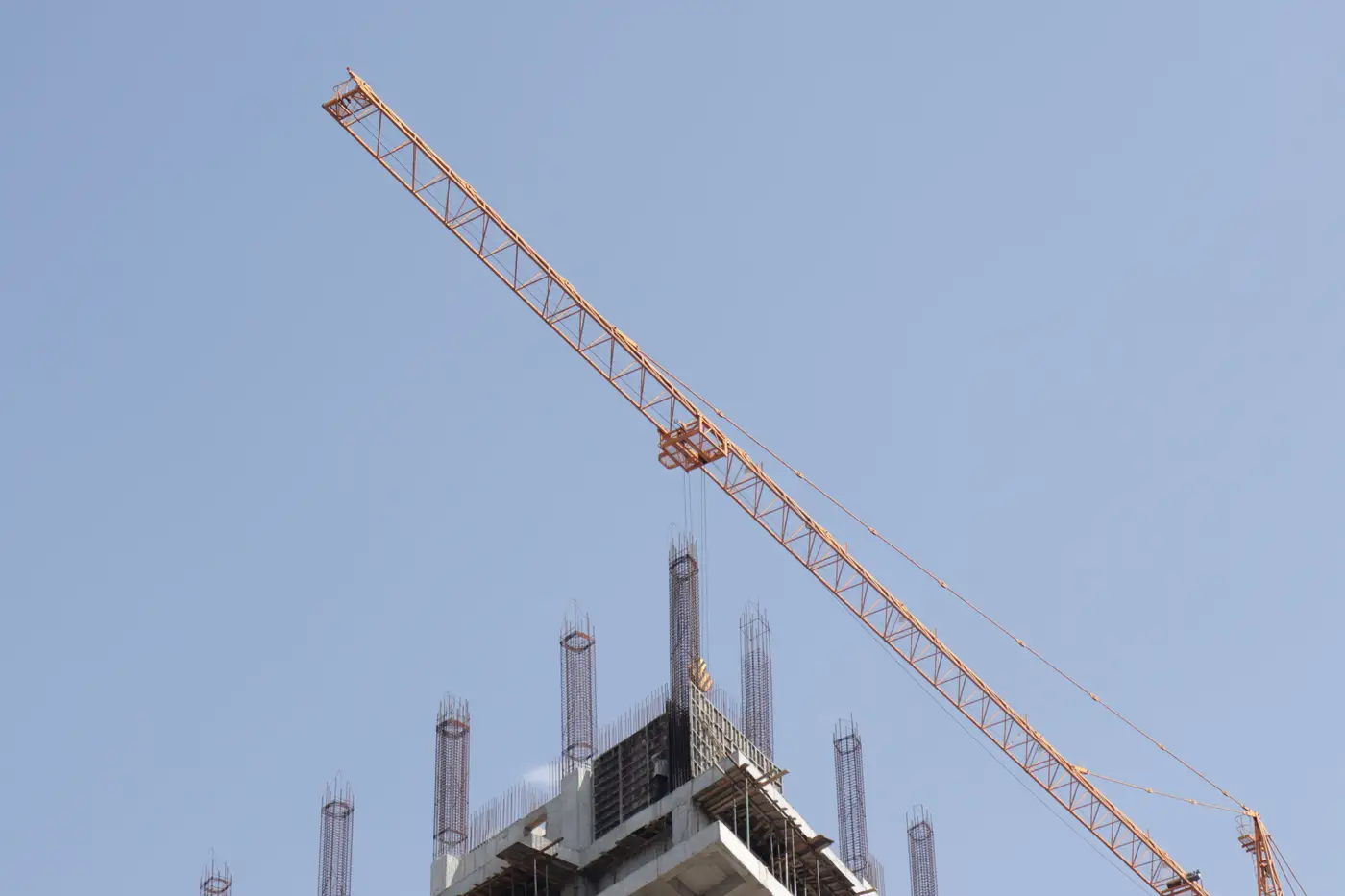
A site under construction is visible from above long before anyone drafts a quote for the press release.
The usual sources, and why they're always behind
Most prospecting playbooks point you at the same handful of places, and they all share one problem: a human has to file, post, or publish something before you can read it.
Permit records are public once a jurisdiction processes them, but counties vary wildly in how fast they scan and post, and plenty of industrial permits sit in a clerk's queue for weeks. Zoning board agendas tell you a project is proposed, not that it's underway, and a lot of proposals stall or get quietly resized after the hearing. Job postings for a new "facility manager, Plant 4" are a decent tell, but they show up once HR is already staffing, which is late in the build. Earnings call transcripts mention capex guidance in the aggregate, rarely tied to a specific site your rep can walk a prospect through. Commercial real estate broker listings only exist if the company is leasing, which cuts out every account that owns and builds on its own land.
Stack all of these together and you get a research process that's accurate eventually and useful rarely. The accounts worth chasing are the ones where you're early, and every one of those sources puts you somewhere between reasonably well-informed and reading about it in the trades six months after ground broke.
What actually happens before anyone drafts a release
A facility expansion is, physically, a sequence of ground events. Someone clears a pad. A foundation goes in. Steel goes up. A yard gets regraded to handle more truck traffic.
None of that requires a filing to be visible. It requires a vantage point above the site and a reason to look at it on a schedule.
A named-account prospecting motion can close that gap directly. You likely already have the account list as part of normal territory work. A monthly pass over that same list of coordinates shows new pad clearing, a building extension, or yard growth the month it starts, tied to the location and a rough sense of scale. The read comes straight from the ground, ahead of any paragraph written later by someone whose job is to control the message.
That's the gap Capex Signals is built to close. It runs a monthly check against the named sites on your account list, using imagery sharp enough to pick out a new pad or an addition against the existing footprint, and turns what it sees into a dated event: first seen, where, roughly how big. No press release parsing, no waiting on a zoning clerk, no guessing from a job posting that showed up after the fact.
If your pipeline runs on named accounts, a ground-truth trigger beats a published one. Worth building into the cadence.