How to turn a facility footprint sighting into an account research brief
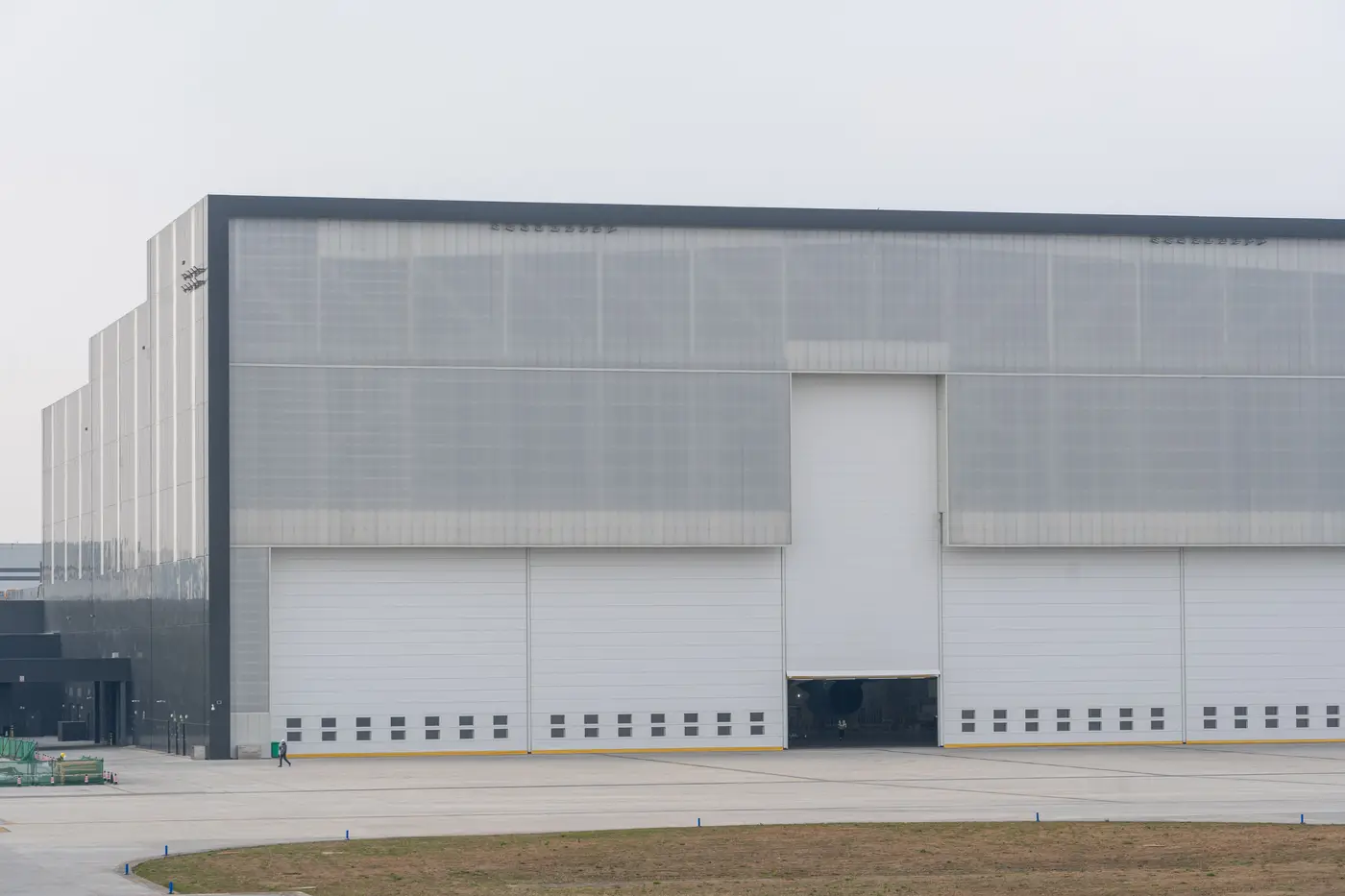
You spot a new pad at a prospect's distribution center. Or a yard that's doubled in size since last quarter. That's a sighting, not a brief. The gap between the two is where most SDRs lose the signal, because a raw observation doesn't survive contact with a sequence template or a discovery call. Here's how to close that gap before you touch the phone.
What belongs in the brief
An account research brief built off a footprint sighting needs five things, and skipping any one of them turns your talk track into a guess:
The site. Which facility, which address, which business unit if you can tell from the signage or permit filings. "Their Ohio DC" is not specific enough to open a call with.
When it was first seen. Not when you noticed it. When the change actually started. If new construction first appears in imagery from March and you're writing the brief in September, say March. That six-month gap is itself a data point: it tells you the project is further along than a press release would suggest, and it tells you how long this account has been sitting on your list without a trigger attached.
What changed. New building started, an existing building extended, yard or lot pad added. Be literal. "Expansion" is a word that means nothing on a call. "A new pad roughly the footprint of their existing warehouse, poured on the north side of the lot" means something.
Rough size. Eyeball it and put a number on it: about the size of the existing warehouse, or roughly a quarter of the main building's footprint. That kind of specificity is what makes a line like "this looks like a second production line" land as credible on a call.
Source and confidence. Satellite imagery, aerial, a permit filing, a LinkedIn post from a plant manager. Say which. If you're stacking two or three of these against each other, say that too. The brief is only as useful as the account exec's trust in it, and that trust gets built or burned on this line.
Put those five fields in a doc, even a short one, before you open your CRM. The order matters less than the completeness. A one-paragraph brief with all five beats a polished slide with three.
Turning the brief into a talk track
The brief is for your own clarity. The talk track is what you say on the call. The translation is smaller than people think: you're not pitching, you're referencing a dated event tied to a place.
"I noticed your facility outside Dayton added a new building footprint back in March, looks like it's sized for a second production line." That's a sentence built directly from the brief's three middle fields. Its authority comes from having looked at the ground, something no org chart or budget memo can substitute for.
What it buys you is a reason the prospect didn't have to supply themselves. A line like "companies like yours are expanding" could apply to half the accounts on your list, and it reads that way to the person getting it. A line built on their address, their building, and a date is harder to wave off, because it names something true about their own site that they haven't announced. Sometimes the reply you get is just "how did you know that." That's a good outcome: it means the signal did its work before you were ever on the phone.
One caution: don't overstate what you saw. If the pad could be a new line or could be a warehouse expansion for inventory buffer, say "looks like" and let the prospect correct you on the call. Being wrong on the specific use while right on the fact of expansion still lands fine. Being wrong on both erodes the trust you just built with field one through five.
Hand it to the AE with the dates attached
If the account is qualified and the signal is strong, the brief goes to the AE as-is, dates and all. Don't summarize away the "first seen" date. An AE opening a call six months after a sighting needs to know that gap exists so they don't ask "any new projects lately" about a building that's already got a roof on it.
This whole process gets faster once the sighting itself is dated and sized for you instead of something you stumbled on in a satellite image you happened to scroll past. That's the gap a monthly capex event feed is built to close: it turns footprint growth into the kind of dated, located record this brief template expects from field one. If you're writing these briefs by hand every week, it might be worth seeing one built for you instead.