Job postings vs. facility expansion: which trigger fires first?
If you run named-account outbound, you've probably got a job-postings alert set up already. New req for a "Plant Manager" or "Site Operations Lead" at a target account, and your sequence fires. It's a reasonable trigger. It's also a late one more often than people realize.
What a job posting actually tells you
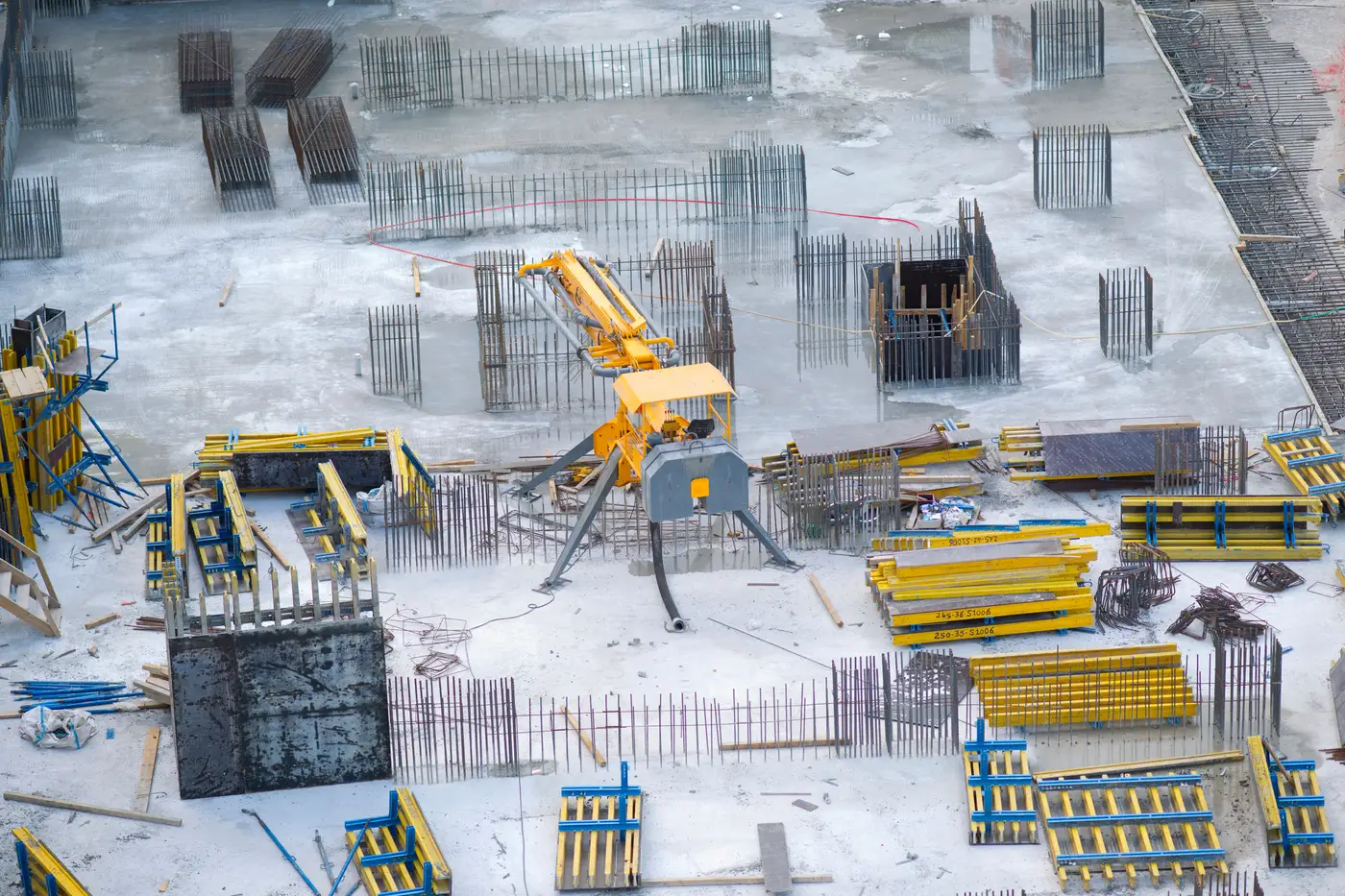
A req for a warehouse supervisor or a line technician usually means the building is close to running. Site selection, permitting, and the first several months of construction happened long before that posting went up. Postings for site leadership and operations roles tend to show up in the final few months before a facility opens, sometimes closer to commissioning than construction. By the time that posting hits LinkedIn, the account has already picked a location, pulled permits, poured a slab, and probably signed contracts with the vendors they needed earliest in the process. If your product sells into the build phase, site infrastructure, logistics equipment, material handling, or anything that gets specified before a facility opens, you're showing up after the decisions that actually mattered to you got made.
Hiring signal works fine for things people need after a building is running. Staffing services, local maintenance contracts, janitorial, security. For anything upstream of that, it's a lagging indicator dressed up as a leading one.
What a capex signal tells you
A facility expansion signal, a new pad poured, a yard extended, a structure going up at a site you're already tracking, happens on the opposite end of the timeline. It's visible before the company says anything public about it, before the press release, and well before the first job req goes live. The physical footprint changes because someone already committed budget to it. That's the point in the cycle where a build-phase vendor has the most room to get in front of the buying committee instead of responding to an RFP that's already half-written.
The tradeoff is that a footprint signal doesn't tell you who to call. You get a location, roughly when the activity started, and a rough sense of scale. It doesn't hand you a hiring manager's name the way a job board does. You still need your own account mapping to figure out who owns the project.
Which one fires first
In the sequence of a typical facility buildout, site selection, permitting, groundbreaking, construction, staffing, commissioning, grand opening, press coverage, the capex signal usually shows up somewhere around groundbreaking and construction. Hiring activity for the facility itself clusters much later, near commissioning. Press and local news coverage often land last, sometimes months after the building is already staffed.
So if you're asking which trigger gives you more runway on a named account, it's not close. Footprint growth fires months ahead of the hiring wave for the same project. The gap varies by industry and project size, but the order doesn't flip.
Using both without doubling your noise
None of this means drop the job-postings alerts. They're still useful for timing a second touch, confirming a project is real and staffed, or catching accounts where you missed the construction phase entirely. The better sequence for build-phase sellers is to let a physical capex event open the account, log it against the location, then layer hiring activity on top as confirmation the project is moving toward completion instead of stalling after the slab went in. Stalled projects happen more than account owners like to admit, and a hiring freeze at a site that broke ground eight months ago is its own signal worth having.
Nobody on a sales team is sitting down each month to scan satellite imagery of three hundred accounts looking for a new pad or a yard extension. That's the part Capex Signals handles: it watches the named sites your territory cares about and turns a new structure or extension into a dated event tied to an address, so your first outreach lands while the project is still being built, not after someone else already won the business during the hiring phase.
If build-phase timing matters to your pipeline, it's worth seeing what a footprint-based trigger looks like next to the hiring alerts you're already running.